Table of Contents
Introduction
Today we discover the classical Egyptian rhythm known as Zarafat (also spelled Dharafat), commonly performed in Arabic muwashahat music. While specific details about Zarafat might be scarce, Egyptian music is deeply rooted in the rich cultural heritage of the Arab world, which emphasizes melodic complexity and rhythmic nuance. Traditionally Arabic music, including Egyptian genres, relies heavily on the maqam system, a melodic mode framework that guides composition and improvisation. The rhythmic patterns in Arabic music follow cyclical modes known as īqāʿāt, which provide a structured yet dynamic foundation for musical expression. Egyptian rhythms, like Zarafat, are likely to reflect this emphasis on melodic ornamentation and rhythmic intricacy, making them a compelling subject for exploration and adaptation in contemporary music settings.
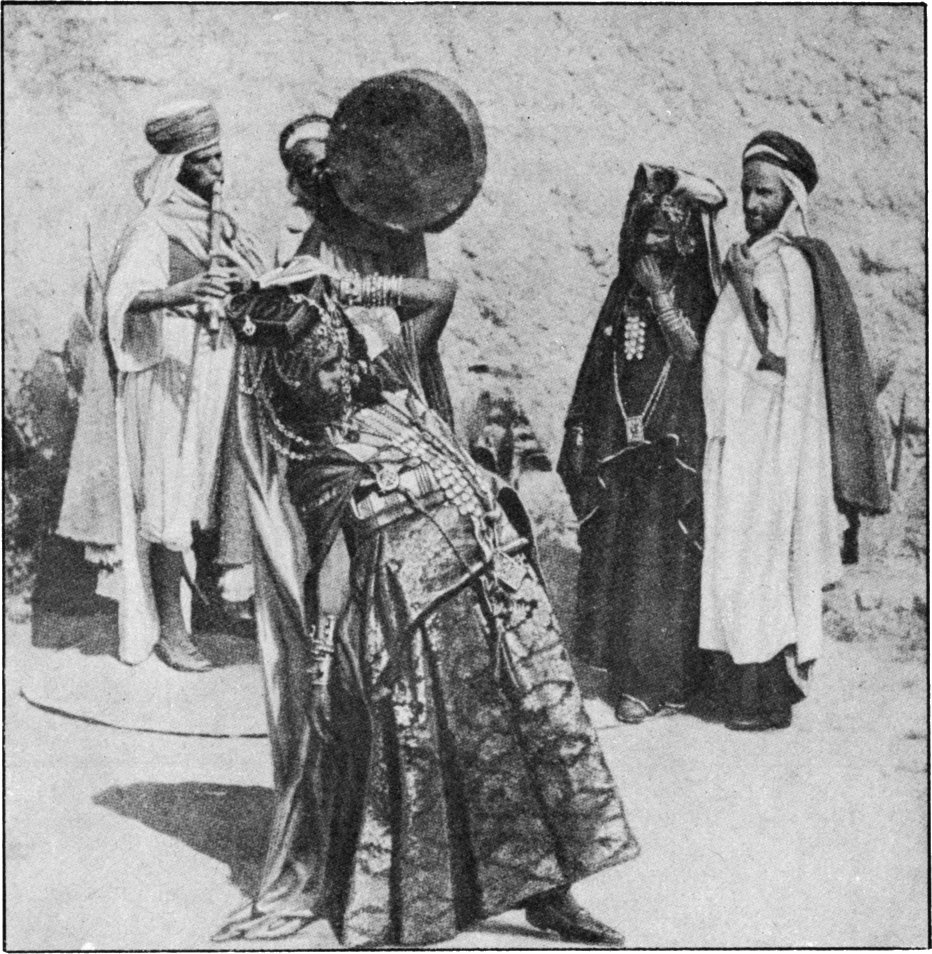
Zarafat features a recurring structure that emphasizes a combination of strong and weak beats, often creating an engaging interplay between rhythmic elements and melodic lines.
Instrumentation
As part of the broader Egyptian and Arabic musical traditions, various instruments are commonly used to create the Zarafat rhythmic and melodic textures. The typical instruments of this rhythm include:
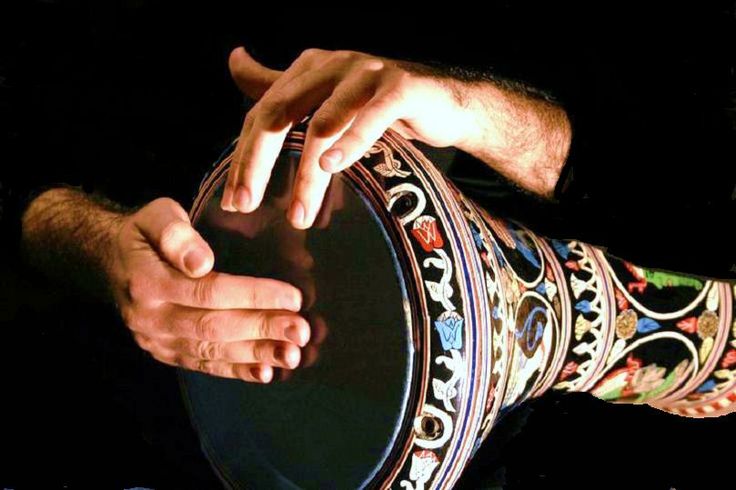
- Darbuka: This hourglass-shaped goblet drum is a staple in Arabic music, providing the primary rhythmic foundation for many styles, including Zarafat.
- Riq: A tambourine-like instrument with a shallow frame and metal jingles, often used to add dynamic accents and rhythmic complexity.
- Qraqeb: Metal castanets used to add percussive effects and rhythmic interest.
- Oud: A plucked string instrument that serves as a melodic backbone in Arabic music, providing harmonic depth and expressive melodic lines.
- Ney: A flute-like instrument that contributes to the melodic richness of Arabic music.
These instruments work together to create the intricate rhythmic patterns and melodic ornamentations characteristic of Zarafat and other Arabic musical styles.
Drumset Adaptation
The Zarafat rhythm is known for several distinctive features that set it apart within the rich landscape of Arabic music. The rhythm incorporates lively and intricate patterns, often allowing for improvisation and personal expression. This complexity is a hallmark of traditional Arabic music, where the performer can embellish the basic rhythm with variations. Zarafat works harmonically with the melodic frameworks of Arabic music based on the maqam system. This integration enhances both the rhythmic and melodic dimensions of a performance.
In adapting the Zarafat on the drumset, we arrange each percussion part to capture the authentic feel of the rhythm. The main groove is in 13/8 and is subdivided as 3+3+2+2+3. The bass drum replicates the “doum,” while the snare emulates the “tek” part, as illustrated in the figures below that compare the percussion and drumset notation. The “slap” (sharp, pronounced sound) is orchestrated on the hi-hat, incorporating drags (or double grace notes), establishing a dynamic and lively 16th-note pattern.


Additional Resources
Here is a selection of videos to listen to the Zarafat rhythm.
Notes and References
- Van Rompaey, Ruben. “Belly Dance Rhythms for Drumset.” Modern Drummer, September 2018.
- Zuhair, Zahra. “Bellydance A-Z.” Zahra Zuhair’s Bellydance Blog, May 18, 2016. https://glitteringglimpses.wordpress.com.
- Maqam World (Unknown Author). “Iqa‘ Dharafat 13/8.” Maqam World. https://www.maqamworld.com/en/iqaa/dharafat.php.
 Francis' Drumming Blog
Thanks Francis Th
LikeLiked by 1 person